
monitors and the retention question: what actually stays in the chain
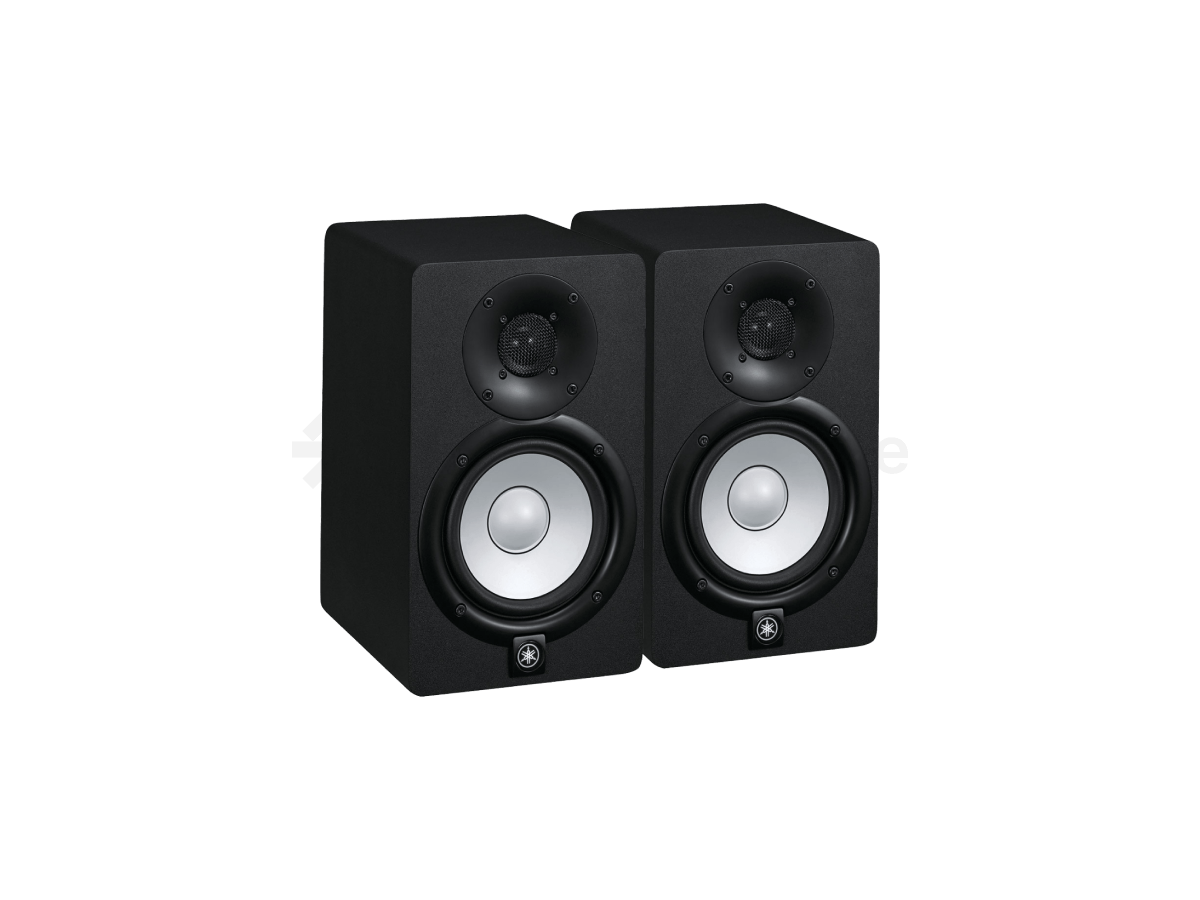
the yamaha hs series comes up constantly in producer interviews and studio breakdowns, and it's worth asking why that keeps happening years after the initial wave of coverage settled down. the white cone is recognizable enough that it's almost become shorthand for a certain kind of working environment, but recognition alone doesn't explain retention. what seems more likely is that the hs monitors occupy a specific functional role that's hard to replace without disrupting something else in the decision-making process during a session. they're not flattering, which means mixing decisions made on them tend to hold up in different playback contexts, and that kind of consistency probably matters more over time than any single feature. the bass reflex design does have real tradeoffs in the low end, and engineers who work heavily in that range often supplement or move on, but for a large portion of production workflows the tradeoff is apparently acceptable enough that the monitors stay. that pattern, where a tool survives not because it's perfect but because its specific limitations are predictable and workable, might be one of the cleaner explanations for long-term retention across different production styles.
Source: Yamaha HS5 Studio Monitor Review - Sonarworks Blog ↗